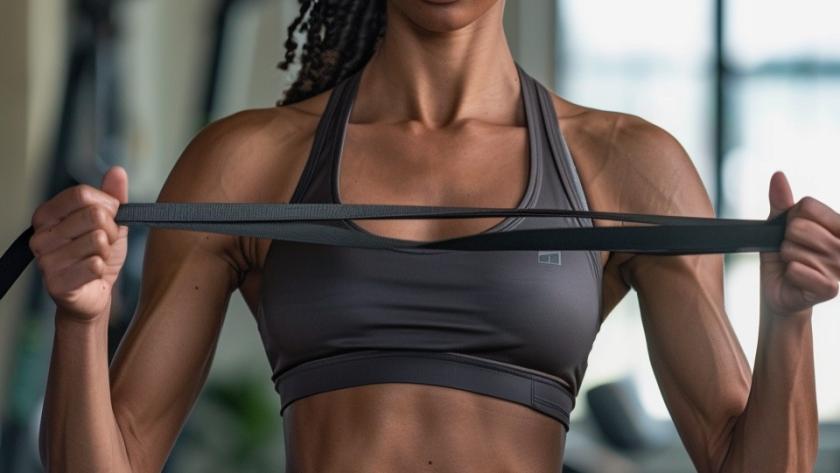
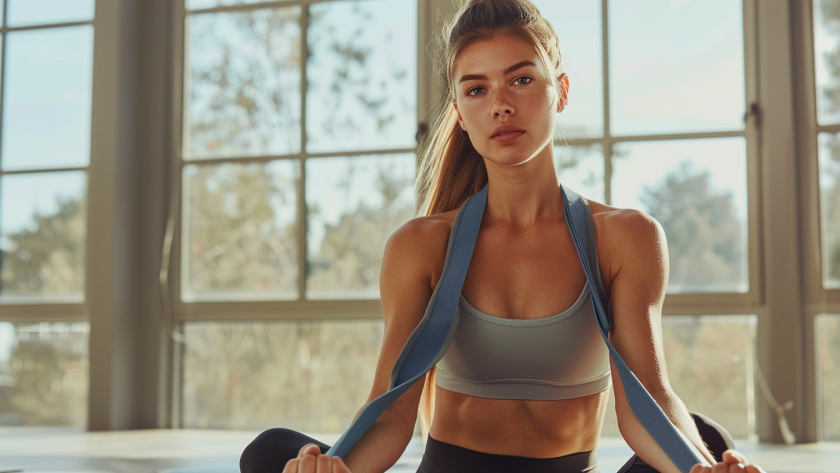
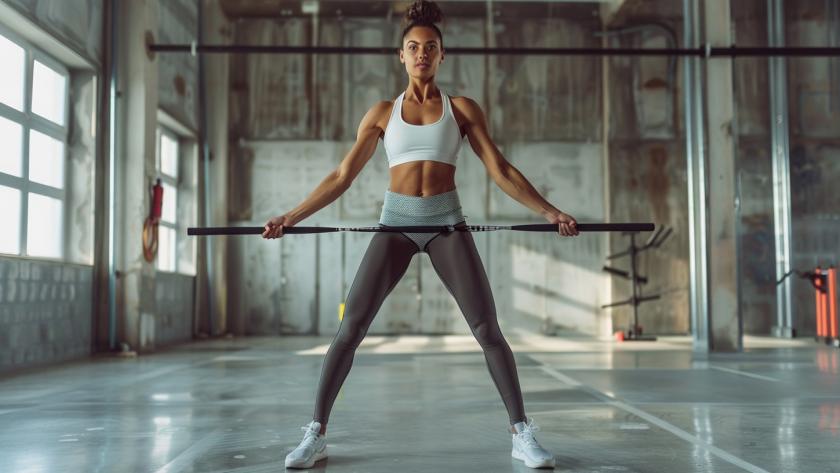
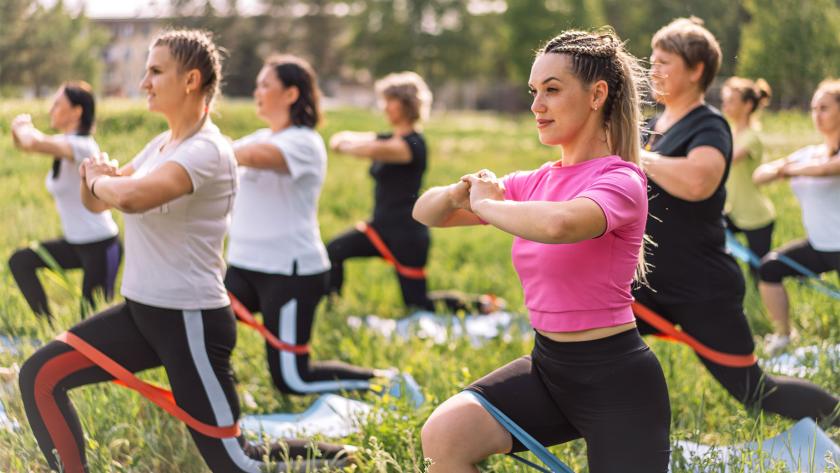
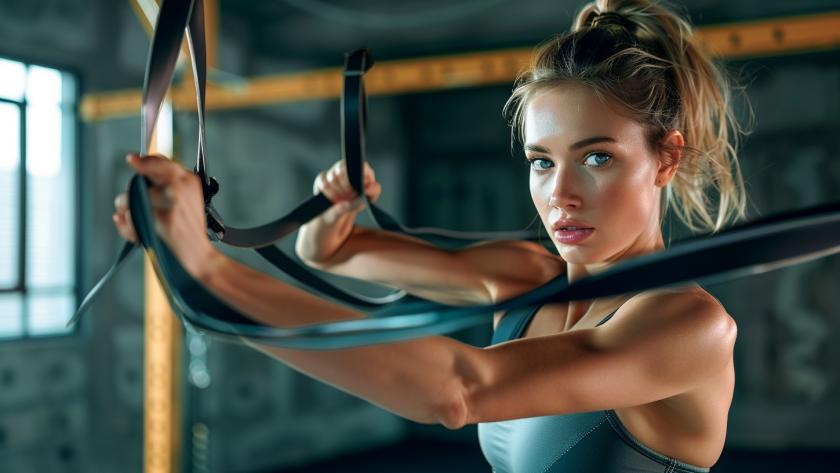
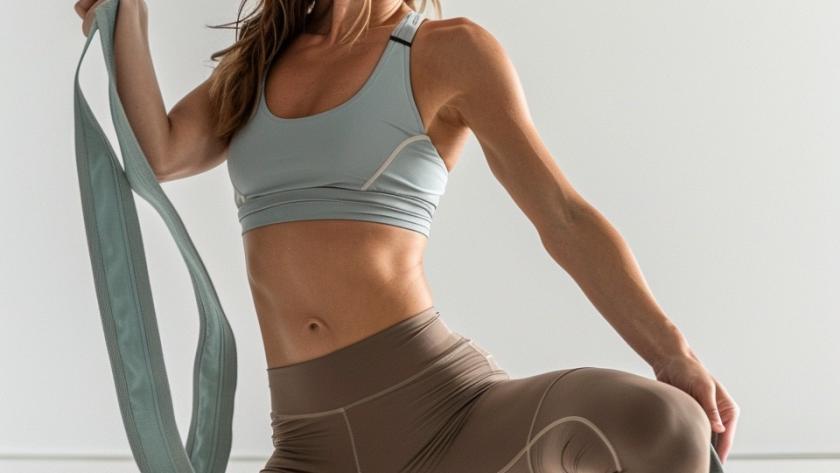
As modern work habits continue to revolve around desks, screens, and long periods of sitting, posture-related discomfort and shoulder stiffness are becoming some of the most common wellness concerns. Health and fitness professionals are increasingly emphasizing small, consistent movement routines to counteract these daily stressors.
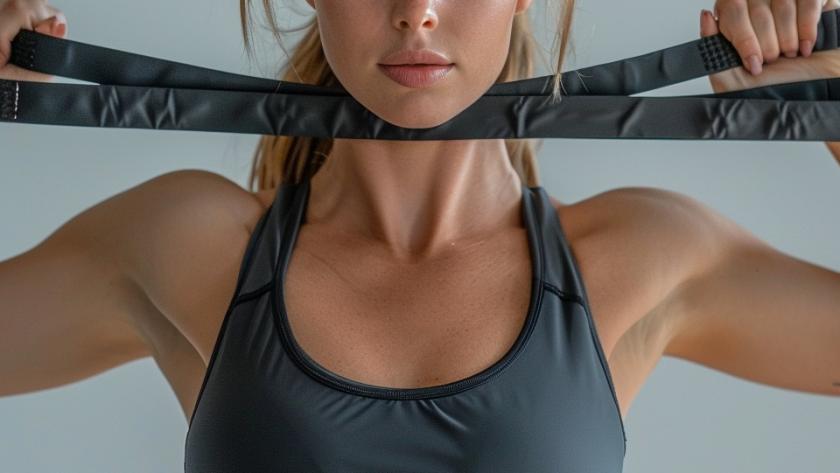
As fitness and wellness programs become more individualized, trainers are placing greater emphasis on precision resistance training—a style of movement that prioritizes control, alignment, and joint safety over brute force.
While fitness trends continue to evolve, one training tool remains a constant in athletic development: natural latex resistance bands. Used by strength coaches, athletes, and performance specialists, latex resistance bands provide a unique combination of elasticity, tension response, and versatility that supports both strength and speed-based training.
As fitness and rehabilitation programs continue to converge, trainers are increasingly recommending resistance tools that allow gradual load progression without sacrificing joint health. Heavy resistance no longer means aggressive training—it means controlled, intentional movement that adapts as the body becomes stronger.
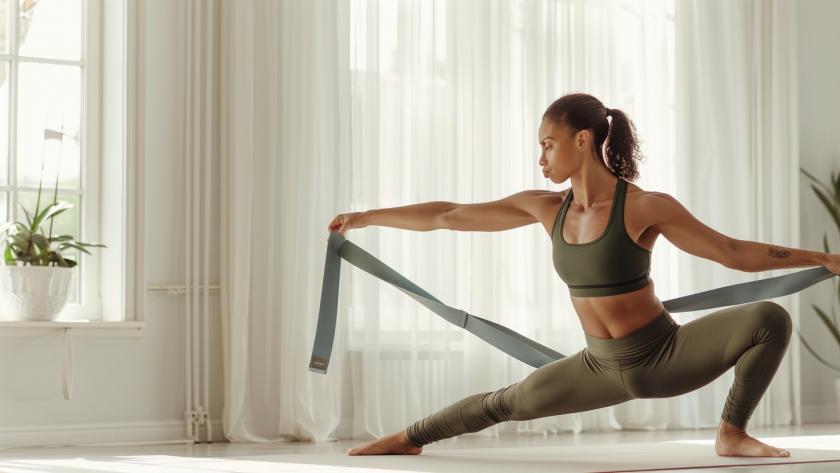
As yoga continues to grow in popularity across all age groups and fitness levels, instructors are placing renewed emphasis on alignment and stability. Proper alignment not only enhances the effectiveness of each pose, but also reduces strain on joints and helps prevent injury—especially for beginners or those returning after time away.
As more people look for effective ways to stay active without relying on crowded gyms or heavy equipment, resistance band training has emerged as one of the most versatile and joint-friendly fitness solutions available today.
Resistance loop bands have become a staple in gyms, training facilities, and home workout spaces for one simple reason: they scale with the user. From beginners learning basic movement patterns to advanced athletes building power, loop bands adapt to a wide range of training needs.
As wellness trends continue to move toward longevity, injury prevention, and daily mobility, trainers and physical therapists are increasingly recommending simple, low-impact training tools that prioritize movement quality over complexity.