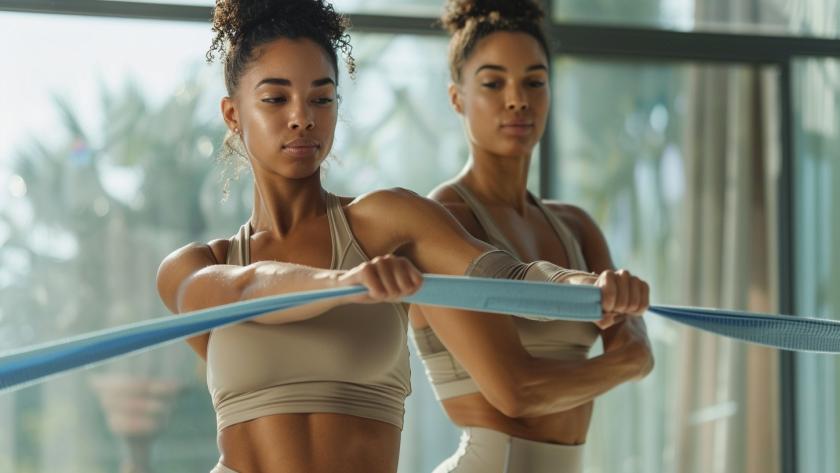
Fitness professionals agree on one core principle: consistent movement beats occasional intensity. As more people shift toward daily mobility routines, posture correction, and joint-friendly strength work, equipment that encourages repeat use is becoming increasingly important.
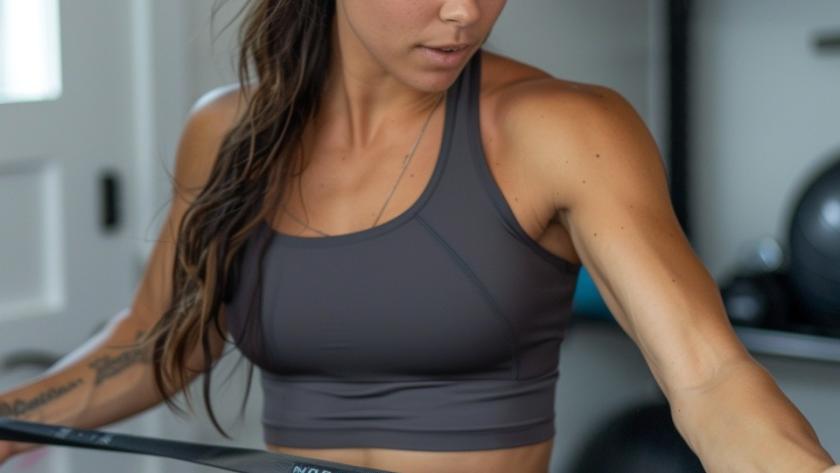
Health experts increasingly agree that flexibility and mobility are best improved through small, consistent habits, rather than occasional intense stretching sessions. As people spend more time seated and under daily stress, simple tools that encourage regular movement are becoming essential.
As fitness equipment becomes more integrated into daily routines—homes, studios, clinics, and even workplaces—design consistency is emerging as more than just an aesthetic preference. Trainers and users alike are recognizing that equipment clarity, visual organization, and durability play an important role in training efficiency and adherence.
As yoga and mobility training become part of everyday wellness routines, instructors and practitioners alike are placing greater emphasis on durability and reliability in their equipment. Tools that wear out quickly or lose integrity can disrupt practice and reduce confidence—especially in studio and group environments.
As fitness routines continue to shift away from rigid gym schedules, full-body resistance training is becoming the preferred approach for people who want results without sacrificing flexibility. Trainers increasingly recommend tools that allow users to train multiple muscle groups in one session, adapt to different fitness levels, and fit seamlessly into everyday life.
As functional training continues to dominate the fitness and wellness space, brands are placing greater emphasis on durability, consistency, and usability—especially when it comes to resistance training tools.
As fitness expands beyond one-on-one training and into group classes, schools, corporate wellness programs, and community spaces, demand is growing for simple, durable, and adaptable resistance tools that work for many users at once.
As home fitness continues to mature, more users are seeking ways to replicate gym-quality strength training without bulky machines or heavy weights. Trainers increasingly point to high-tension resistance tubes as one of the most efficient solutions—capable of delivering serious load while remaining compact and versatile.
As resistance band training becomes a staple in rehab clinics, physical therapy offices, and home wellness routines, trainers are paying closer attention to material choice—not just resistance level. For many users, latex sensitivity, joint discomfort, or recovery needs make traditional bands less suitable for regular use.
As more people commit to at-home and hybrid fitness routines, durability is becoming just as important as performance. Wellness professionals increasingly note that consistency—not intensity—is what delivers lasting strength, mobility, and health benefits. That consistency depends on training tools that can handle repeated use without degrading in quality or performance.
In professional fitness, rehabilitation, and wellness environments, equipment is often selected for function over branding. Physical therapy clinics, yoga studios, schools, and corporate wellness programs increasingly prefer minimalist tools that blend seamlessly into shared spaces while delivering reliable performance.
Pilates, yoga, and functional training programs all share a common focus: control over movement. Rather than relying on heavy loads, these disciplines emphasize alignment, breathing, and smooth resistance to build strength and flexibility together.