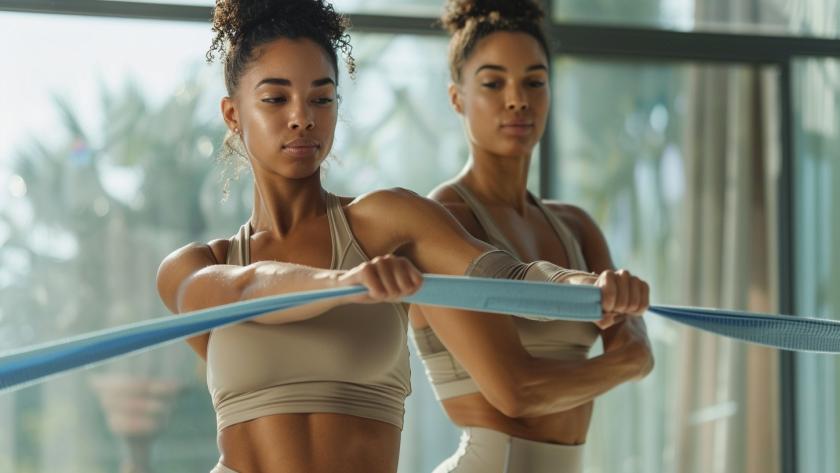
As functional training continues to dominate the fitness and wellness space, brands are placing greater emphasis on durability, consistency, and usability—especially when it comes to resistance training tools.
As fitness expands beyond one-on-one training and into group classes, schools, corporate wellness programs, and community spaces, demand is growing for simple, durable, and adaptable resistance tools that work for many users at once.
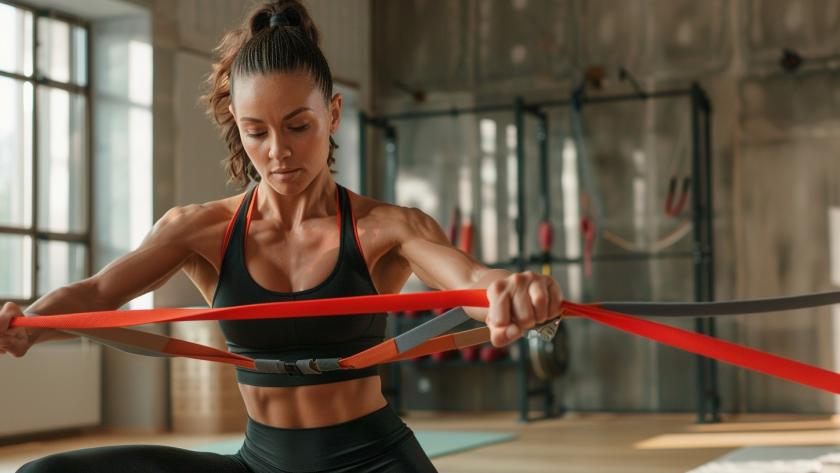
As home fitness continues to mature, more users are seeking ways to replicate gym-quality strength training without bulky machines or heavy weights. Trainers increasingly point to high-tension resistance tubes as one of the most efficient solutions—capable of delivering serious load while remaining compact and versatile.
As resistance band training becomes a staple in rehab clinics, physical therapy offices, and home wellness routines, trainers are paying closer attention to material choice—not just resistance level. For many users, latex sensitivity, joint discomfort, or recovery needs make traditional bands less suitable for regular use.
As more people commit to at-home and hybrid fitness routines, durability is becoming just as important as performance. Wellness professionals increasingly note that consistency—not intensity—is what delivers lasting strength, mobility, and health benefits. That consistency depends on training tools that can handle repeated use without degrading in quality or performance.
In professional fitness, rehabilitation, and wellness environments, equipment is often selected for function over branding. Physical therapy clinics, yoga studios, schools, and corporate wellness programs increasingly prefer minimalist tools that blend seamlessly into shared spaces while delivering reliable performance.
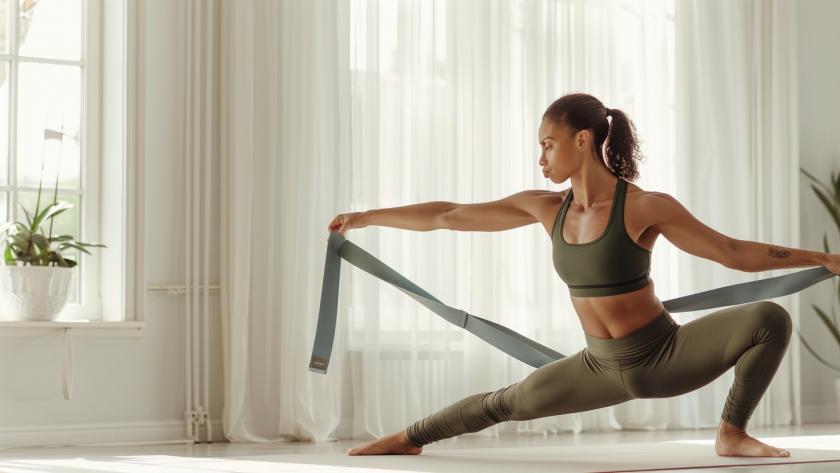
Pilates, yoga, and functional training programs all share a common focus: control over movement. Rather than relying on heavy loads, these disciplines emphasize alignment, breathing, and smooth resistance to build strength and flexibility together.
As modern work habits continue to revolve around desks, screens, and long periods of sitting, posture-related discomfort and shoulder stiffness are becoming some of the most common wellness concerns. Health and fitness professionals are increasingly emphasizing small, consistent movement routines to counteract these daily stressors.
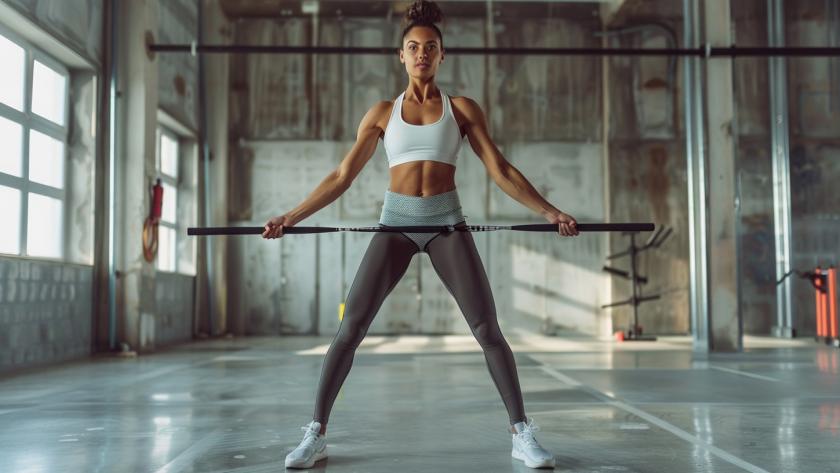
As fitness and wellness programs become more individualized, trainers are placing greater emphasis on precision resistance training—a style of movement that prioritizes control, alignment, and joint safety over brute force.
While fitness trends continue to evolve, one training tool remains a constant in athletic development: natural latex resistance bands. Used by strength coaches, athletes, and performance specialists, latex resistance bands provide a unique combination of elasticity, tension response, and versatility that supports both strength and speed-based training.
As fitness and rehabilitation programs continue to converge, trainers are increasingly recommending resistance tools that allow gradual load progression without sacrificing joint health. Heavy resistance no longer means aggressive training—it means controlled, intentional movement that adapts as the body becomes stronger.
As yoga continues to grow in popularity across all age groups and fitness levels, instructors are placing renewed emphasis on alignment and stability. Proper alignment not only enhances the effectiveness of each pose, but also reduces strain on joints and helps prevent injury—especially for beginners or those returning after time away.