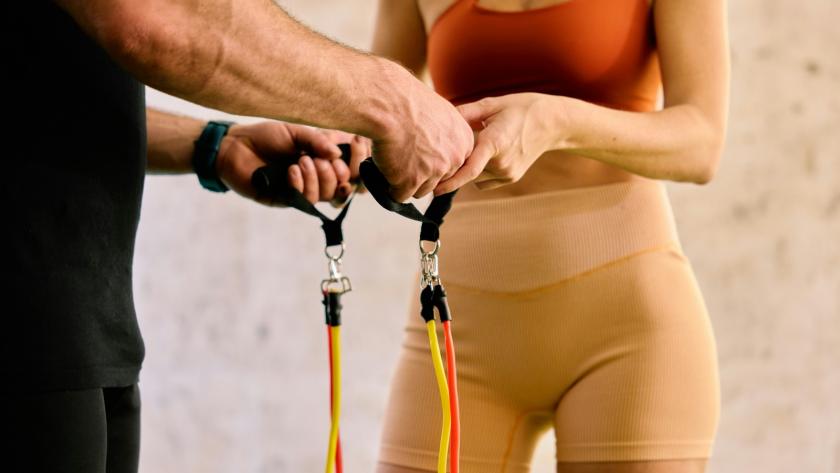
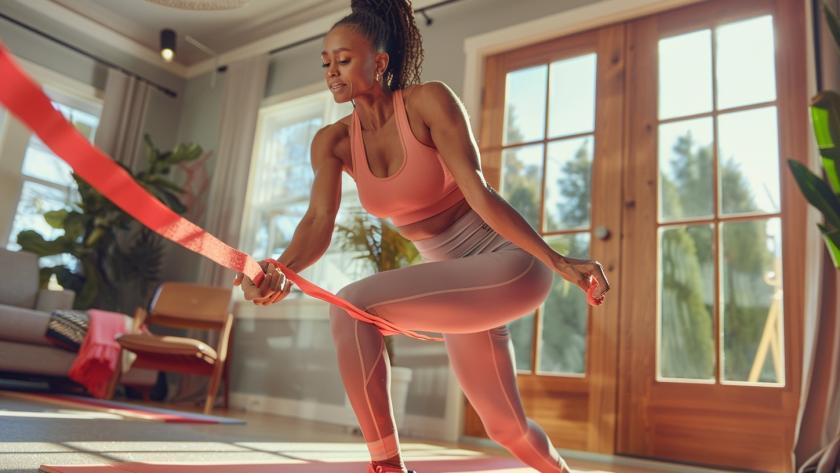
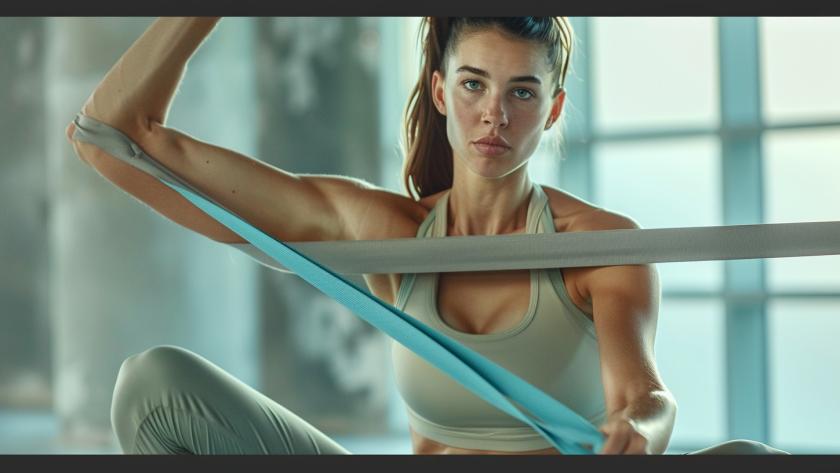
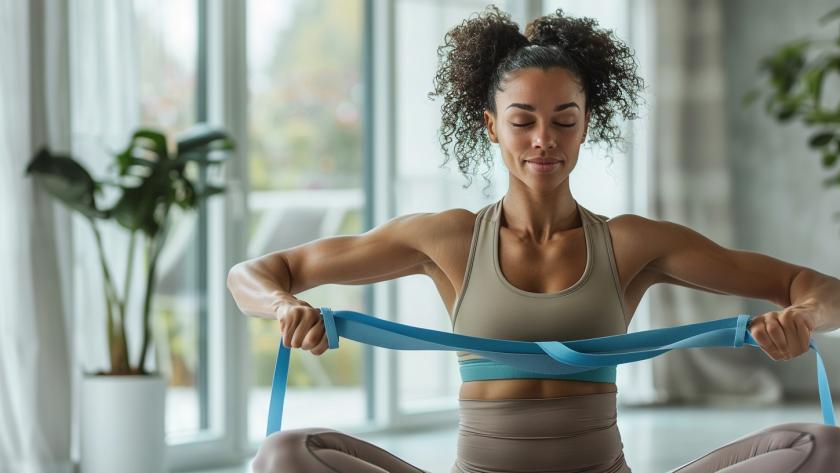
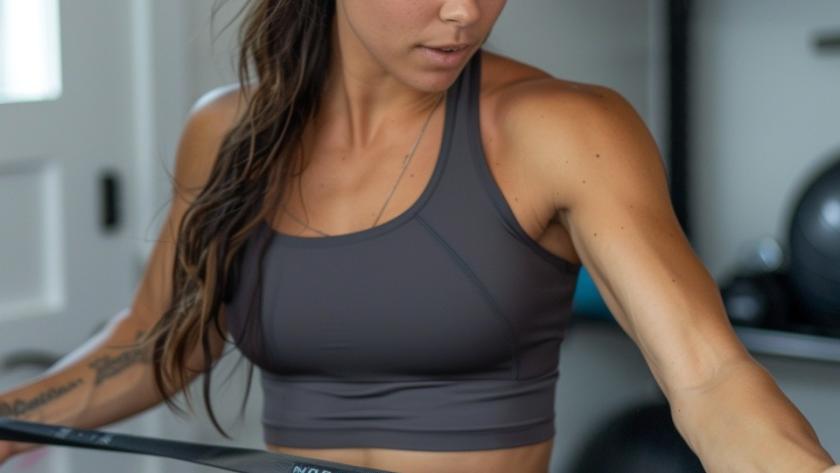
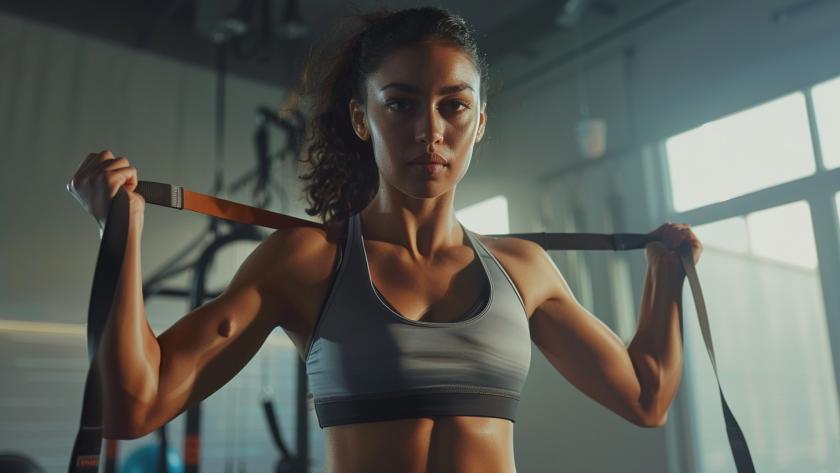
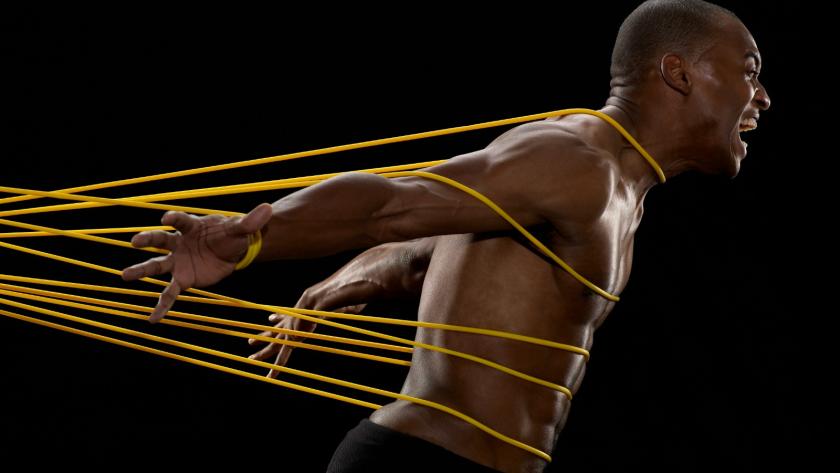
To help users get started, Master Stretch recommends the following balanced, full-body routine, which can be completed in about 20–25 minutes.
As fitness programs become more personalized, adjustable resistance is emerging as one of the most practical innovations in home and functional training. Trainers increasingly emphasize the importance of matching resistance precisely to movement, rather than forcing the body to adapt to fixed equipment.
As more people move away from complex gym setups and time-intensive routines, all-in-one fitness solutions are becoming increasingly popular. Trainers note that beginners and busy professionals alike are more likely to stay consistent when their equipment is simple, adaptable, and ready to use right out of the box.
As fitness and wellness routines become more balanced, flexibility and recovery are gaining the same importance as strength training. Health professionals increasingly emphasize that stretching—when done correctly—can improve mobility, reduce stiffness, and support long-term joint health.
As fitness programming continues to evolve, trainers are increasingly emphasizing balanced resistance training—an approach that develops strength while preserving mobility and joint health. Rather than relying solely on heavy loads or ultra-light mobility tools, many professionals now recommend moderate resistance systems that support both controlled strength and fluid movement.
For many people starting a fitness routine, one of the biggest challenges isn’t motivation—it’s knowing where to begin. Trainers often see beginners struggle with equipment that feels confusing, overly technical, or intimidating.
As more people look for fitness solutions that fit into busy, mobile lifestyles, compact resistance tools are gaining renewed attention. Trainers increasingly point out that effective strength training doesn’t require large equipment—it requires consistent resistance, controlled movement, and proper technique.
Fitness professionals agree on one core principle: consistent movement beats occasional intensity. As more people shift toward daily mobility routines, posture correction, and joint-friendly strength work, equipment that encourages repeat use is becoming increasingly important.
Health experts increasingly agree that flexibility and mobility are best improved through small, consistent habits, rather than occasional intense stretching sessions. As people spend more time seated and under daily stress, simple tools that encourage regular movement are becoming essential.
As fitness equipment becomes more integrated into daily routines—homes, studios, clinics, and even workplaces—design consistency is emerging as more than just an aesthetic preference. Trainers and users alike are recognizing that equipment clarity, visual organization, and durability play an important role in training efficiency and adherence.
As yoga and mobility training become part of everyday wellness routines, instructors and practitioners alike are placing greater emphasis on durability and reliability in their equipment. Tools that wear out quickly or lose integrity can disrupt practice and reduce confidence—especially in studio and group environments.
As fitness routines continue to shift away from rigid gym schedules, full-body resistance training is becoming the preferred approach for people who want results without sacrificing flexibility. Trainers increasingly recommend tools that allow users to train multiple muscle groups in one session, adapt to different fitness levels, and fit seamlessly into everyday life.